
The History of Papal Betting Markets

The article explores the intriguing history of betting on papal conclaves, a practice intertwined with the sacred election of the pope. Dating back to the 15th century, this tradition has evolved from forbidden wagers on the pope's lifespan to a thriving betting market predicting papal succession. Despite bans and the Church's disapproval, betting persisted through the centuries, reaching new heights in the 20th century with an international audience. With technological advancements, modern betting markets have become widespread, highlighting the unpredictable nature of conclaves and the enduring human interest in guessing the future.
- Betting on papal conclaves dates back to 1419.
- Gambling persisted despite bans; peaked in the 20th century.
- Modern tech allows global online bets on papal elections.
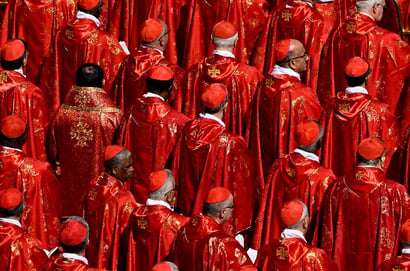
For centuries, the papal conclave has not only been a solemn religious ritual but also the focus of a curious worldly obsession: betting on who will become the next pope.
From the bustling streets of Renaissance Rome to the online bookmakers of the 21st century, people have placed wagers on the outcome of the secretive election in the Sistine Chapel.
Early Days: Forbidden Bets in the 15th Century
The idea of gambling on papal affairs is older than one might expect. As early as 1419, authorities in
Venice passed laws to forbid bets on the life of the pope. These laws were aimed at curbing a macabre trend of people effectively taking out “insurance” on the pope’s lifespan, a practice that raised obvious moral hazards. Similar bans cropped up elsewhere in Europe (Barcelona in 1435, Genoa in 1467), suggesting that wagering on a pope’s life or death was enough of a problem to warrant official action. While these early regulations targeted bets on when a reigning pontiff might die, they set the stage for another betting market soon to flourish: wagers on who would be the next pope.
Venice passed laws to forbid bets on the life of the pope. These laws were aimed at curbing a macabre trend of people effectively taking out “insurance” on the pope’s lifespan, a practice that raised obvious moral hazards. Similar bans cropped up elsewhere in Europe (Barcelona in 1435, Genoa in 1467), suggesting that wagering on a pope’s life or death was enough of a problem to warrant official action. While these early regulations targeted bets on when a reigning pontiff might die, they set the stage for another betting market soon to flourish: wagers on who would be the next pope.
1503: An Old Practice Becomes Newsworthy
By the early 1500s, betting on papal succession was already entrenched in Rome’s culture. In fact, the papal conclave of September 1503 (convened after the death of Pope Alexander VI) provides the first recorded example of a papal betting market in action. Contemporary chroniclers noted that this was by no means a novel phenomenon; it was referred to as an “old practice” even then.
Roman bankers acted as bookmakers, openly offering odds on the leading candidates for the throne of St. Peter. During that 1503 conclave, bets favored Cardinal Francesco Piccolomini, who indeed emerged as Pope Pius III (albeit for a very short reign). Punters could stroll into banking houses near the Vatican and hear the latest odds: Piccolomini was the frontrunner, while other papabili like Cardinals Giuliano della Rovere and Georges d’Amboise trailed not far behind in the betting.
When Piccolomini secured the election (to no one’s surprise in the betting circles), the bookmakers’ confidence was vindicated. The very fact that bookmakers were taking bets – and largely calling it right in 1503 illustrates how commonplace papal gambling had become.
Just a decade later, at the conclave of 1513 (which elected Pope Leo X), observers described wagering on the papal election as routine, almost expected. Roman banking houses employed sensali (runners or brokers) to shuttle information and betting slips between clients. In the piazzas and taverns, odds were debated with enthusiasm. Betting on the pope’s identity was now a popular spectator sport for those wealthy or daring enough to stake money on the divine outcome. It was an open secret in Rome that whenever a pope fell ill or died, a flurry of clandestine gambling would erupt alongside the prayers for guidance of the Holy Spirit.
Roman bankers acted as bookmakers, openly offering odds on the leading candidates for the throne of St. Peter. During that 1503 conclave, bets favored Cardinal Francesco Piccolomini, who indeed emerged as Pope Pius III (albeit for a very short reign). Punters could stroll into banking houses near the Vatican and hear the latest odds: Piccolomini was the frontrunner, while other papabili like Cardinals Giuliano della Rovere and Georges d’Amboise trailed not far behind in the betting.
When Piccolomini secured the election (to no one’s surprise in the betting circles), the bookmakers’ confidence was vindicated. The very fact that bookmakers were taking bets – and largely calling it right in 1503 illustrates how commonplace papal gambling had become.
Just a decade later, at the conclave of 1513 (which elected Pope Leo X), observers described wagering on the papal election as routine, almost expected. Roman banking houses employed sensali (runners or brokers) to shuttle information and betting slips between clients. In the piazzas and taverns, odds were debated with enthusiasm. Betting on the pope’s identity was now a popular spectator sport for those wealthy or daring enough to stake money on the divine outcome. It was an open secret in Rome that whenever a pope fell ill or died, a flurry of clandestine gambling would erupt alongside the prayers for guidance of the Holy Spirit.
1549–1550: The Two-Month Conclave and Its Betting Bonanza
One of the most dramatic episodes in papal betting history came with the protracted conclave of 1549–1550. Pope Paul III’s death in 1549 triggered a conclave that dragged on for ten grueling weeks. It was the largest conclave assembled up to that time, with an impressive cast of powerful cardinals, and it became a betting bonanza on the streets of Rome.
Inside the Vatican, strict secrecy measures were enforced to prevent any outside influence. The great Renaissance chef Bartolomeo Scappi was charged with feeding the sequestered cardinals, but he had to do so under watchful eyes: whole pies were banned (a perfect hiding place for smuggled notes), and even entire chickens were disallowed, lest some message be tucked inside. Each meal passed through a revolving door, carefully inspected to ensure that no information leaked out with the bread and wine.
Yet, despite these precautions, news did leak, and those leaks fed the betting frenzy outside. Roman merchants and bankers set up what was essentially a conclave betting exchange. Odds shifted by the day (sometimes by the hour) as rumors of the latest ballot counts found their way to the public.
According to one Venetian ambassador observing the conclave, the cardinals’ personal aides were secretly collaborating with bookies, whispering inside information through cracks in doors or over the Vatican walls.
In modern terms, it was insider trading, the attendants privy to vote totals would place bets or tip off brokers, reaping fortunes from their illicit knowledge.
At the outset, Cardinal Giammaria del Monte (a well-connected Roman favorite) opened as the top pick among bettors. He was given healthy odds to become the next pope. But as the conclave stretched on, Cardinal Reginald Pole of England suddenly surged in popularity. Within a few days, Pole went from a long-shot to the perceived favorite, as word spread that he was drawing near the required two-thirds majority.
By early December 1549, many in Rome were convinced Pole’s election was imminent, his odds shortened to nearly even money, reflecting the confidence in his chances.
On December 5, when voting formally began, Pole indeed led the first ballots, coming within a whisker of the papacy (he reportedly received 26 votes out of the 28 needed). Some thought the deadlock might even break by acclamation on the spot, crowning Pole by unanimous cheer.
But conclaves are nothing if not unpredictable. A week later, four French cardinals arrived late to the conclave, throwing their weight behind a candidate opposed to Pole. The sudden shift sapped Pole’s momentum; his odds drifted out again as his path to victory narrowed. Weeks passed with no decision. The atmosphere grew tense inside and outside the conclave. Rome’s wagering community, which had initially focused on who would win, began to place bets on when the stalemate would end.
As January 1550 rolled around with still no pope elected, you could get odds on the conclave dragging into February, into March, or - for the truly cynical - never concluding at all. (Indeed, some tongue-in-cheek bettors offered 10-to-1 odds that the cardinals might never agree on a pope, leaving the throne of St. Peter vacant indefinitely!)
At long last, in February 1550, the exhausted cardinals elected del Monte as Pope Julius III. He had not been the bettors’ favorite for most of the conclave (Pole had stolen that spot), but Julius III emerged as a compromise candidate everyone could live with. When the white smoke finally billowed and the new pope’s name was announced, it ended not just the cardinals’ seclusion but also a wild season of gambling in Rome. The betting ledgers from that conclave tell a story of roller-coaster odds and fortunes won or lost on the whims of each vote. The conclave of 1549–1550 remains legendary not only for its length and intrigue, but for the freewheeling betting mania that accompanied it.
Inside the Vatican, strict secrecy measures were enforced to prevent any outside influence. The great Renaissance chef Bartolomeo Scappi was charged with feeding the sequestered cardinals, but he had to do so under watchful eyes: whole pies were banned (a perfect hiding place for smuggled notes), and even entire chickens were disallowed, lest some message be tucked inside. Each meal passed through a revolving door, carefully inspected to ensure that no information leaked out with the bread and wine.
Yet, despite these precautions, news did leak, and those leaks fed the betting frenzy outside. Roman merchants and bankers set up what was essentially a conclave betting exchange. Odds shifted by the day (sometimes by the hour) as rumors of the latest ballot counts found their way to the public.
According to one Venetian ambassador observing the conclave, the cardinals’ personal aides were secretly collaborating with bookies, whispering inside information through cracks in doors or over the Vatican walls.
In modern terms, it was insider trading, the attendants privy to vote totals would place bets or tip off brokers, reaping fortunes from their illicit knowledge.
At the outset, Cardinal Giammaria del Monte (a well-connected Roman favorite) opened as the top pick among bettors. He was given healthy odds to become the next pope. But as the conclave stretched on, Cardinal Reginald Pole of England suddenly surged in popularity. Within a few days, Pole went from a long-shot to the perceived favorite, as word spread that he was drawing near the required two-thirds majority.
By early December 1549, many in Rome were convinced Pole’s election was imminent, his odds shortened to nearly even money, reflecting the confidence in his chances.
On December 5, when voting formally began, Pole indeed led the first ballots, coming within a whisker of the papacy (he reportedly received 26 votes out of the 28 needed). Some thought the deadlock might even break by acclamation on the spot, crowning Pole by unanimous cheer.
But conclaves are nothing if not unpredictable. A week later, four French cardinals arrived late to the conclave, throwing their weight behind a candidate opposed to Pole. The sudden shift sapped Pole’s momentum; his odds drifted out again as his path to victory narrowed. Weeks passed with no decision. The atmosphere grew tense inside and outside the conclave. Rome’s wagering community, which had initially focused on who would win, began to place bets on when the stalemate would end.
As January 1550 rolled around with still no pope elected, you could get odds on the conclave dragging into February, into March, or - for the truly cynical - never concluding at all. (Indeed, some tongue-in-cheek bettors offered 10-to-1 odds that the cardinals might never agree on a pope, leaving the throne of St. Peter vacant indefinitely!)
At long last, in February 1550, the exhausted cardinals elected del Monte as Pope Julius III. He had not been the bettors’ favorite for most of the conclave (Pole had stolen that spot), but Julius III emerged as a compromise candidate everyone could live with. When the white smoke finally billowed and the new pope’s name was announced, it ended not just the cardinals’ seclusion but also a wild season of gambling in Rome. The betting ledgers from that conclave tell a story of roller-coaster odds and fortunes won or lost on the whims of each vote. The conclave of 1549–1550 remains legendary not only for its length and intrigue, but for the freewheeling betting mania that accompanied it.
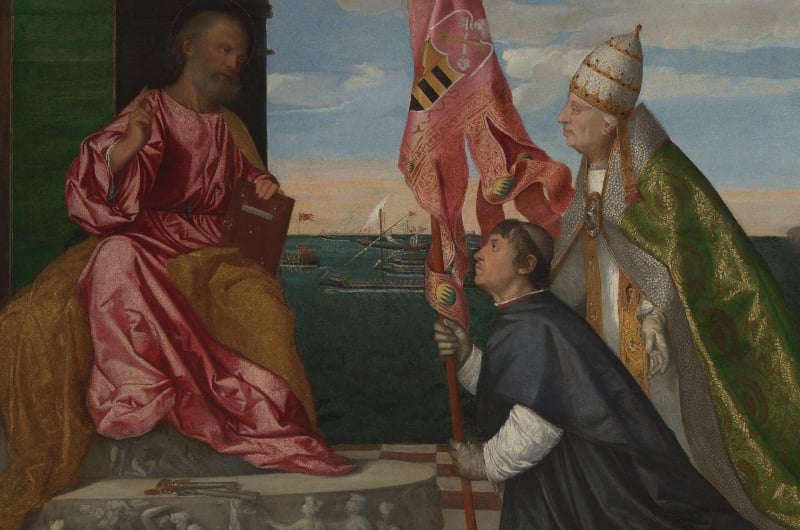
1591: A Papal Bull Against Gambling
The rampant wagering during the 16th century did not go unnoticed by the Church hierarchy. Many within the Vatican were alarmed that something as sacred as the election of Christ’s vicar on earth had become fodder for gamblers and profiteers. The final straw came in the late 1580s, when the morals of Rome seemed inextricably tangled with betting scandals.
In one notorious case, the first conclave of 1590 (after the death of Pope Sixtus V) saw frenzied betting, and then a quick election of Urban VII (Giovanni Castagna) who unfortunately died just 12 days later – triggering yet another conclave that same year. The second conclave of 1590 was rife with conspiracy: whispers suggested some cardinals themselves might have been wagering or at least manipulating the odds by feigning support for one candidate to drive bets in another direction. Such rumors of cardinals playing double games in the betting markets horrified church leadership. Pope Gregory XIV decided enough was enough. In March 1591, he issued a stern papal bull titled Cogit Nos. This edict banned all betting on papal elections (and even on the creation of new cardinals) within the Papal States, on pain of excommunication.
Gregory XIV’s decree made it spiritually perilous to wager on a conclave – not only could one lose money, one could lose their soul (at least as far as the Church was concerned). This forceful act was meant to snuff out the thriving papal gambling scene and reassert the sanctity of the process. For a time, the bull Cogit Nos did dampen the openly speculative atmosphere around conclave.
In subsequent centuries, one doesn’t hear the same vivid reports of bookies at work in the streets of Rome as in the 1500s. The ban, backed by the threat of eternal damnation, drove the practice underground or outside of direct papal territory. Still, human nature being what it is, private bets and friendly wagers likely continued in salons, taverns, and chancelleries across Europe whenever a pope died. The difference was that after 1591, one had to be far more discreet about it. (Notably, this old ban was officially part of Church law until 1918, when a new code of canon law quietly omitted the prohibition. Today there is no specific church law against betting on a conclave – though it’s certainly frowned upon by clergy.)
In one notorious case, the first conclave of 1590 (after the death of Pope Sixtus V) saw frenzied betting, and then a quick election of Urban VII (Giovanni Castagna) who unfortunately died just 12 days later – triggering yet another conclave that same year. The second conclave of 1590 was rife with conspiracy: whispers suggested some cardinals themselves might have been wagering or at least manipulating the odds by feigning support for one candidate to drive bets in another direction. Such rumors of cardinals playing double games in the betting markets horrified church leadership. Pope Gregory XIV decided enough was enough. In March 1591, he issued a stern papal bull titled Cogit Nos. This edict banned all betting on papal elections (and even on the creation of new cardinals) within the Papal States, on pain of excommunication.
Gregory XIV’s decree made it spiritually perilous to wager on a conclave – not only could one lose money, one could lose their soul (at least as far as the Church was concerned). This forceful act was meant to snuff out the thriving papal gambling scene and reassert the sanctity of the process. For a time, the bull Cogit Nos did dampen the openly speculative atmosphere around conclave.
In subsequent centuries, one doesn’t hear the same vivid reports of bookies at work in the streets of Rome as in the 1500s. The ban, backed by the threat of eternal damnation, drove the practice underground or outside of direct papal territory. Still, human nature being what it is, private bets and friendly wagers likely continued in salons, taverns, and chancelleries across Europe whenever a pope died. The difference was that after 1591, one had to be far more discreet about it. (Notably, this old ban was officially part of Church law until 1918, when a new code of canon law quietly omitted the prohibition. Today there is no specific church law against betting on a conclave – though it’s certainly frowned upon by clergy.)
1903: A Surprise Winner at the Turn of the Century
Fast-forward to the dawn of the 20th century. By this time, Italy had unified and the papacy had lost its medieval territories, but popular fascination with papal elections remained strong. With the strict ban of Cogit Nos fading into history (and no longer strictly enforced), betting on conclaves slowly crept back into public view – especially outside of Rome.
The 1903 conclave was one of the first modern papal elections where widespread gambling was documented. When the long-reigning Pope Leo XIII died after 25 years on the throne, newspapers from London to Paris to New York buzzed with speculation about his successor. Some publications even printed odds, treating the conclave as a kind of exotic horse race. Many gamblers placed their chips on Cardinal Mariano Rampolla, Leo XIII’s influential Secretary of State, who was seen as the logical heir to the papal throne. Rampolla was so widely expected to win that he could be called the favorite in the eyes of both the press and the punters. However, the conclave of 1903 delivered a twist worthy of a Hollywood script. In those days, certain Catholic monarchs still held a traditional privilege known as the veto – they could object to a particular candidate, ostensibly to protect the Church from a pope they found undesirable. It was a rarely used power, but 1903 became its most famous (and final) exercise.
As the cardinals’ voting progressed, Rampolla indeed emerged with strong support. Just as he seemed on the brink of election, the representative of Emperor Franz Joseph of Austria stood up and dramatically vetoed Rampolla’s candidacy. The cardinals were stunned; the conclave was thrown into disarray. Rampolla, the odds-on favorite, was suddenly out of the running. One can only imagine the collective gasp of those who had wagered on Rampolla when the news leaked out. Overnight, betting slips were rendered worthless and bookmakers had to recalibrate their odds.
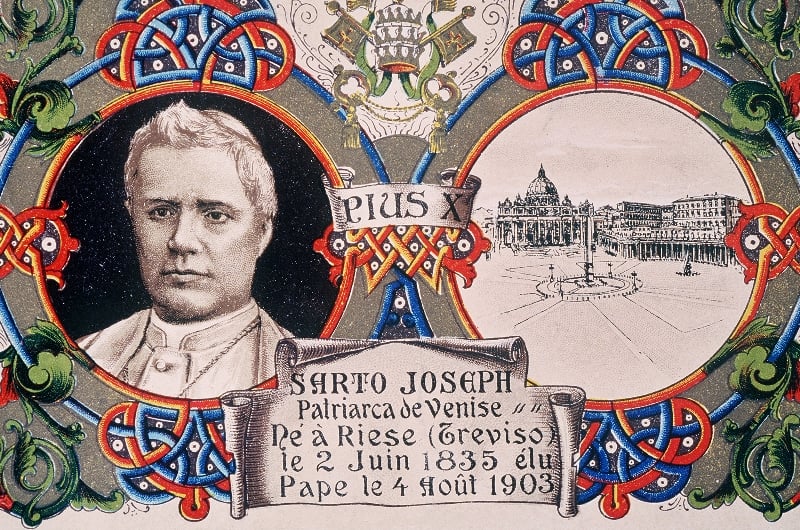
With Rampolla barred, attention shifted quickly to an alternative: Cardinal Giuseppe Sarto, the Patriarch of Venice. Sarto had been considered a respectable but second-tier contender – a dark horse compared to Rampolla’s star power. Yet, in the new scenario created by the veto, Sarto gained momentum as a compromise choice acceptable to all factions. The conclave soon elected him, and Cardinal Sarto became Pope Pius X.
The election of Pius X was a huge upset for the betting public. Gamblers who had confidently backed the established frontrunner found themselves thwarted by an unforeseen political maneuver. Meanwhile, anyone contrarian (or lucky) enough to have bet on the quiet Venetian patriarch reaped a windfall. This conclave’s outcome also had a lasting effect on the Church: outraged by the interference, Pius X swiftly abolished the veto privilege for all future conclave.
Never again would secular powers directly hijack a papal election – a move that likely comforted popes but perhaps disappointed some thrill-seeking bettors who enjoyed the unpredictability of such dramas.
The 1903 conclave was one of the first modern papal elections where widespread gambling was documented. When the long-reigning Pope Leo XIII died after 25 years on the throne, newspapers from London to Paris to New York buzzed with speculation about his successor. Some publications even printed odds, treating the conclave as a kind of exotic horse race. Many gamblers placed their chips on Cardinal Mariano Rampolla, Leo XIII’s influential Secretary of State, who was seen as the logical heir to the papal throne. Rampolla was so widely expected to win that he could be called the favorite in the eyes of both the press and the punters. However, the conclave of 1903 delivered a twist worthy of a Hollywood script. In those days, certain Catholic monarchs still held a traditional privilege known as the veto – they could object to a particular candidate, ostensibly to protect the Church from a pope they found undesirable. It was a rarely used power, but 1903 became its most famous (and final) exercise.
As the cardinals’ voting progressed, Rampolla indeed emerged with strong support. Just as he seemed on the brink of election, the representative of Emperor Franz Joseph of Austria stood up and dramatically vetoed Rampolla’s candidacy. The cardinals were stunned; the conclave was thrown into disarray. Rampolla, the odds-on favorite, was suddenly out of the running. One can only imagine the collective gasp of those who had wagered on Rampolla when the news leaked out. Overnight, betting slips were rendered worthless and bookmakers had to recalibrate their odds.
With Rampolla barred, attention shifted quickly to an alternative: Cardinal Giuseppe Sarto, the Patriarch of Venice. Sarto had been considered a respectable but second-tier contender – a dark horse compared to Rampolla’s star power. Yet, in the new scenario created by the veto, Sarto gained momentum as a compromise choice acceptable to all factions. The conclave soon elected him, and Cardinal Sarto became Pope Pius X.
The election of Pius X was a huge upset for the betting public. Gamblers who had confidently backed the established frontrunner found themselves thwarted by an unforeseen political maneuver. Meanwhile, anyone contrarian (or lucky) enough to have bet on the quiet Venetian patriarch reaped a windfall. This conclave’s outcome also had a lasting effect on the Church: outraged by the interference, Pius X swiftly abolished the veto privilege for all future conclave.
Never again would secular powers directly hijack a papal election – a move that likely comforted popes but perhaps disappointed some thrill-seeking bettors who enjoyed the unpredictability of such dramas.
Mid-Century Moments: 1922, 1958 and the Modernizing of the Bet
Throughout the early 20th century, betting on papal elections continued to be a niche but persistent activity. In 1922, for example, when Pope Benedict XV died and a conclave convened, reports mentioned lively gambling on the outcome, especially in Europe.
The international press treated the papal succession almost like an Olympic event, with commentary on who was ahead and who was slipping. Ultimately, the cardinals chose Achille Ratti, who took the name Pope Pius XI. Ratti was another relative outsider (he had been a librarian-turned-archbishop), and his election may have surprised gamblers who had their money on better-known figures. Unfortunately for historians of betting, detailed odds from 1922’s conclave are scarce – we know the gambling happened, but not exactly how the bookmakers had ranked the candidates.
Still, the pattern was clear: by the 20th century, whenever a pope passed away, the secular world’s response included both pious mourning and a flurry of wagers on the next pontiff. By 1958, the practice had become open enough that even Italians – living in the Pope’s backyard – were placing bets with local bookies. When Pope Pius XII died in 1958, Milanese bookmakers reportedly published odds on the papabili. Incredibly, the favorite they pegged was Cardinal Angelo Roncalli of Venice at 2-to-1 odds. Roncalli was a portly, genial 76-year-old considered a safe, transitional choice by those in the know. The bettors clearly had a sense about him, and they were right: Roncalli was elected and became Pope John XXIII.
It was a rare instance where the gambling consensus and the conclave’s decision aligned perfectly. One can imagine some savvy Milan bettors pocketing a modest profit – and perhaps whispering a prayer of thanks for their good fortune. Only five years later, in 1963, another conclave came on the heels of John XXIII’s passing. While documentation of betting in 1963 isn’t as well-known, it’s likely that similar patterns held. In that conclave, the widely expected choice, Cardinal Giovanni Montini of Milan, was indeed elected Pope (taking the name Paul VI).
Since Montini’s victory was anticipated by most observers, any wagers were probably conservative and odds short – meaning fewer surprises and smaller payouts that year. If anything, the 1963 papal election underscored that sometimes the obvious candidate does rise to the top, and betting folk prefer a bit of certainty after the wild swings seen in earlier decades.
The international press treated the papal succession almost like an Olympic event, with commentary on who was ahead and who was slipping. Ultimately, the cardinals chose Achille Ratti, who took the name Pope Pius XI. Ratti was another relative outsider (he had been a librarian-turned-archbishop), and his election may have surprised gamblers who had their money on better-known figures. Unfortunately for historians of betting, detailed odds from 1922’s conclave are scarce – we know the gambling happened, but not exactly how the bookmakers had ranked the candidates.
Still, the pattern was clear: by the 20th century, whenever a pope passed away, the secular world’s response included both pious mourning and a flurry of wagers on the next pontiff. By 1958, the practice had become open enough that even Italians – living in the Pope’s backyard – were placing bets with local bookies. When Pope Pius XII died in 1958, Milanese bookmakers reportedly published odds on the papabili. Incredibly, the favorite they pegged was Cardinal Angelo Roncalli of Venice at 2-to-1 odds. Roncalli was a portly, genial 76-year-old considered a safe, transitional choice by those in the know. The bettors clearly had a sense about him, and they were right: Roncalli was elected and became Pope John XXIII.
It was a rare instance where the gambling consensus and the conclave’s decision aligned perfectly. One can imagine some savvy Milan bettors pocketing a modest profit – and perhaps whispering a prayer of thanks for their good fortune. Only five years later, in 1963, another conclave came on the heels of John XXIII’s passing. While documentation of betting in 1963 isn’t as well-known, it’s likely that similar patterns held. In that conclave, the widely expected choice, Cardinal Giovanni Montini of Milan, was indeed elected Pope (taking the name Paul VI).
Since Montini’s victory was anticipated by most observers, any wagers were probably conservative and odds short – meaning fewer surprises and smaller payouts that year. If anything, the 1963 papal election underscored that sometimes the obvious candidate does rise to the top, and betting folk prefer a bit of certainty after the wild swings seen in earlier decades.
1978: The Year of Two Popes – and Two Betting Dramas
If any year proved that papal betting markets can be wildly unpredictable, it was 1978. In that remarkable year, the Catholic Church experienced the death of not one but two popes, leading to two conclaves back-to-back.
For bettors and bookies, it was a roller coaster unlike any before. The first conclave of 1978 convened after Pope Paul VI’s death in August. By now, betting on the papal outcome had entered the mainstream in places like the United Kingdom – so much so that British bookmakers openly took bets on who would be the next pope. It was the first time UK betting shops offered such odds to the public. The prospect of wagering on the papacy attracted a mix of amusement, piety, and criticism.
In London, you could stroll into a bookmaker and see a chalkboard listing names like Siri, Benelli, Baggio, and Felici, each with odds next to them. Most of these men were Italian cardinals, since an Italian had sat on St. Peter’s chair for over four centuries straight. The favorites in the eyes of oddsmakers were figures like Cardinal Giuseppe Siri of Genoa (a staunch conservative who had been papabile for decades) and Cardinal Giovanni Benelli of Florence (a progressive confidant of the late Paul VI). Bettors also put money on other prominent Italians – it was almost taken for granted the next pope would be one of these familiar faces.
Amid this betting flurry, however, Church authorities voiced unease. In Rome, of course, gambling on the conclave was still taboo, but even in far-off England the Church wasn’t pleased. Basil Hume, the Cardinal Archbishop of Westminster, publicly urged Catholics not to partake in these bets, reminding them that a papal election was a matter of prayer, not a day at the races. Many devout Catholics heeded his warning – but that didn’t stop curious punters of all stripes from having a flutter as the white smoke drew near. When the cardinals voted in late August 1978, the result left the world — and many bettors — flabbergasted. On the fourth ballot, they elected Cardinal Albino Luciani, the Patriarch of Venice, who took the regnal name John Paul I.
Luciani was a complete outsider in terms of betting odds. A humble, smiling pastor known for his simplicity, he had not been considered a leading candidate by most analysts or gamblers (despite holding the prestigious Venetian see). In fact, some bookies hadn’t even listed Luciani’s name on their pre-conclave odds sheets, and those that did had him at very long odds. His victory was a classic dark-horse story. British bookmakers reportedly groaned — they had to pay out big to a handful of prescient individuals who wagered on Luciani despite the conventional wisdom. More numerous were the losing tickets backing the favored Italians who fell short.
For the betting public, the lesson of John Paul I’s election was clear: the papal conclave can confound even the savviest predictions. Tragically, Pope John Paul I reigned only 33 days before dying unexpectedly in late September 1978. The shock of his death meant that the cardinals had to assemble yet again for a second conclave — and the world’s bookmakers found themselves writing a sequel to the summer’s betting drama. If the first conclave of 1978 was unexpected, the second was absolutely historic.
Going into the October 1978 conclave, many assumed the cardinals would “correct” course by choosing one of the prominent Italian contenders who had been passed over in August. Once again, names like Siri and Benelli rose to the top of betting boards. The rationale was straightforward: after the brief experiment with an outsider, the College would likely return to the tradition of an Italian pontiff. Bookmakers favored Cardinal Siri especially, seeing in him a man who had nearly become pope multiple times.
There was also talk of Cardinal Sebastiano Baggio or Cardinal Sergio Pignedoli, among others, as potential compromise picks. The odds reflected these expectations, with all the shortest prices assigned to Italian papabili. But the College of Cardinals had a surprise in store that no oddsmaker foresaw. After only two days of deliberation, the conclave of October 1978 elected Cardinal Karol Wojtyła of Kraków, Poland as the new pope. He took the name John Paul II. It was a moment that made global headlines: John Paul II was the first non-Italian pope in 455 years, a truly monumental break with tradition.
For those watching the betting markets, it was another astonishment. Wojtyła had been considered an extreme long shot; many betting firms hadn’t seriously considered a Polish pope. (Some later quipped that a few savvy bettors in Poland did wager on Wojtyła, but such stories are hard to verify — if true, those gamblers would have earned a once-in-a-lifetime payout.) John Paul II’s election demonstrated again that conclaves often defy prediction.
The young Polish cardinal’s rise to the papacy was influenced by factors invisible to any betting market: the inclinations of the electors, behind-closed-doors alliances, and the spiritual discernment unique to the occasion. For the second time in just six weeks, anyone who bet on the “favorites” saw their tickets turn to dust, while the improbable outcome reigned supreme. 1978’s twin surprises cemented the papal conclave as one of the most challenging events to forecast – a reminder that the College of Cardinals doesn’t read the morning line.
For bettors and bookies, it was a roller coaster unlike any before. The first conclave of 1978 convened after Pope Paul VI’s death in August. By now, betting on the papal outcome had entered the mainstream in places like the United Kingdom – so much so that British bookmakers openly took bets on who would be the next pope. It was the first time UK betting shops offered such odds to the public. The prospect of wagering on the papacy attracted a mix of amusement, piety, and criticism.
In London, you could stroll into a bookmaker and see a chalkboard listing names like Siri, Benelli, Baggio, and Felici, each with odds next to them. Most of these men were Italian cardinals, since an Italian had sat on St. Peter’s chair for over four centuries straight. The favorites in the eyes of oddsmakers were figures like Cardinal Giuseppe Siri of Genoa (a staunch conservative who had been papabile for decades) and Cardinal Giovanni Benelli of Florence (a progressive confidant of the late Paul VI). Bettors also put money on other prominent Italians – it was almost taken for granted the next pope would be one of these familiar faces.
Amid this betting flurry, however, Church authorities voiced unease. In Rome, of course, gambling on the conclave was still taboo, but even in far-off England the Church wasn’t pleased. Basil Hume, the Cardinal Archbishop of Westminster, publicly urged Catholics not to partake in these bets, reminding them that a papal election was a matter of prayer, not a day at the races. Many devout Catholics heeded his warning – but that didn’t stop curious punters of all stripes from having a flutter as the white smoke drew near. When the cardinals voted in late August 1978, the result left the world — and many bettors — flabbergasted. On the fourth ballot, they elected Cardinal Albino Luciani, the Patriarch of Venice, who took the regnal name John Paul I.
Luciani was a complete outsider in terms of betting odds. A humble, smiling pastor known for his simplicity, he had not been considered a leading candidate by most analysts or gamblers (despite holding the prestigious Venetian see). In fact, some bookies hadn’t even listed Luciani’s name on their pre-conclave odds sheets, and those that did had him at very long odds. His victory was a classic dark-horse story. British bookmakers reportedly groaned — they had to pay out big to a handful of prescient individuals who wagered on Luciani despite the conventional wisdom. More numerous were the losing tickets backing the favored Italians who fell short.
For the betting public, the lesson of John Paul I’s election was clear: the papal conclave can confound even the savviest predictions. Tragically, Pope John Paul I reigned only 33 days before dying unexpectedly in late September 1978. The shock of his death meant that the cardinals had to assemble yet again for a second conclave — and the world’s bookmakers found themselves writing a sequel to the summer’s betting drama. If the first conclave of 1978 was unexpected, the second was absolutely historic.
Going into the October 1978 conclave, many assumed the cardinals would “correct” course by choosing one of the prominent Italian contenders who had been passed over in August. Once again, names like Siri and Benelli rose to the top of betting boards. The rationale was straightforward: after the brief experiment with an outsider, the College would likely return to the tradition of an Italian pontiff. Bookmakers favored Cardinal Siri especially, seeing in him a man who had nearly become pope multiple times.
There was also talk of Cardinal Sebastiano Baggio or Cardinal Sergio Pignedoli, among others, as potential compromise picks. The odds reflected these expectations, with all the shortest prices assigned to Italian papabili. But the College of Cardinals had a surprise in store that no oddsmaker foresaw. After only two days of deliberation, the conclave of October 1978 elected Cardinal Karol Wojtyła of Kraków, Poland as the new pope. He took the name John Paul II. It was a moment that made global headlines: John Paul II was the first non-Italian pope in 455 years, a truly monumental break with tradition.
For those watching the betting markets, it was another astonishment. Wojtyła had been considered an extreme long shot; many betting firms hadn’t seriously considered a Polish pope. (Some later quipped that a few savvy bettors in Poland did wager on Wojtyła, but such stories are hard to verify — if true, those gamblers would have earned a once-in-a-lifetime payout.) John Paul II’s election demonstrated again that conclaves often defy prediction.
The young Polish cardinal’s rise to the papacy was influenced by factors invisible to any betting market: the inclinations of the electors, behind-closed-doors alliances, and the spiritual discernment unique to the occasion. For the second time in just six weeks, anyone who bet on the “favorites” saw their tickets turn to dust, while the improbable outcome reigned supreme. 1978’s twin surprises cemented the papal conclave as one of the most challenging events to forecast – a reminder that the College of Cardinals doesn’t read the morning line.
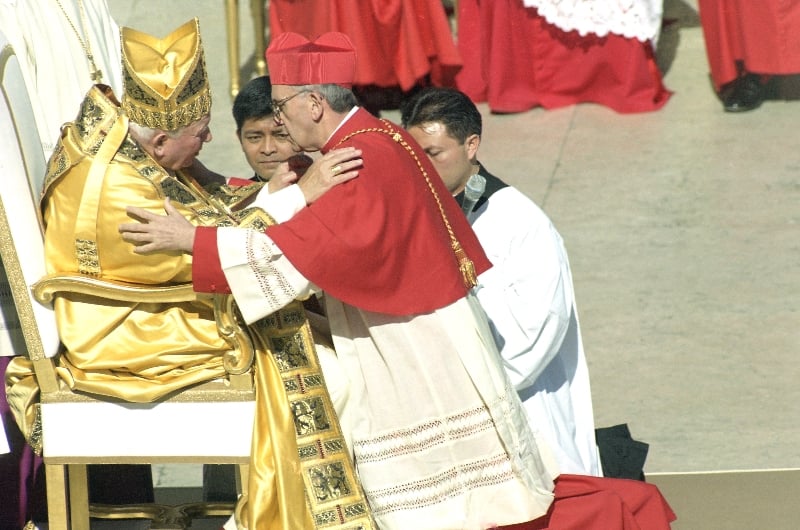
The 21st Century: High-Tech Betting and Unpredictable Outcomes
In the decades after John Paul II’s long and eventful reign, papal betting markets entered the internet age. What was once whispered among bankers in Rome or speculated on in London clubs became accessible to anyone with an online connection.
By the time Pope John Paul II died in 2005, global interest in the papal succession was immense – and so was the betting activity. Traditional bookmakers in Europe posted odds on dozens of cardinals, and new platforms like betting exchanges allowed people to trade bets in real time as rumors swirled. It was the first conclave of the wired world, complete with up-to-the-minute betting movements. In the 2005 conclave, one early long shot actually turned into the favorite by the end. Initially, some bookies gave Cardinal Joseph Ratzinger (John Paul II’s longtime confidant and head of doctrine) relatively modest odds, thinking perhaps the cardinals might choose a less prominent figure. For example, at the start of the interregnum one major British bookmaker had Ratzinger at 12–1 odds – implying he was one of the contenders but not the top pick. Yet as the conclave neared, it became clear that Ratzinger commanded great respect and support among the electors.
Bettors responded to every scrap of news: each time an Italian newspaper hinted that Ratzinger was leading in the pre-conclave meetings, punters rushed to put money on him. His odds quickly shortened, and by the morning the conclave began, Ratzinger had become the odds-on favorite (as low as 3–1 on some books). Sure enough, within just 24 hours of voting, Cardinal Ratzinger was elected Pope Benedict XVI. For once, the betting markets and the College of Cardinals were in harmony – the favorite won, and those who bet on him collected their winnings with a satisfied smile. Of course, not every bettor had predicted that outcome (there were plenty of other names floated, from Cardinal Martini of Milan to Nigeria’s Cardinal Arinze, reflecting hopes of different factions), but 2005 was a year when conventional wisdom proved correct.
Then came 2013, a conclave triggered not by a pope’s death but by an astonishing papal resignation. Pope Benedict XVI stepped down, and for the first time in nearly 600 years a living ex-pope watched as a successor was chosen. The novelty of the situation – and the lack of an obvious heir apparent – made 2013’s papal election a hotbed for bets worldwide. By now, online betting was booming; one could wager on a smartphone, and speculation ran rampant on social media.
Cardinal Angelo Scola of Milan entered the 2013 conclave as the clear favorite in most betting books. Scola was an Italian with a formidable intellectual reputation, seen as a bridge between factions – a safe choice. Other highly-touted names included Cardinal Odilo Scherer of Brazil, Cardinal Marc Ouellet of Canada, and Cardinal Peter Turkson of Ghana (with many thinking the time might be ripe for the first African pope of the modern era). Meanwhile, Cardinal Jorge Mario Bergoglio of Argentina was listed, but not high on the roster; he was viewed as a long shot, someone who had garnered a decent number of votes in the 2005 conclave but was already 76 years old in 2013 and seemingly an unlikely pick.
As the conclave unfolded, the betting odds shifted in subtle ways. There were reports that the Italian bloc was divided, that Scola might be facing headwinds despite his initial lead. Some bettors noticed Bergoglio’s odds shortening slightly in the day or two before the final vote – perhaps due to whispers that he was a compromise candidate gaining traction. Still, very few truly expected what happened next. On the evening of March 13, 2013, white smoke rose after five ballots. The announcement came: Habemus Papam…Cardinalem Bergoglio – taking the name Pope Francis. The underdog had triumphed. Pope Francis, a Jesuit from Latin America, was a groundbreaking choice that thrilled many Catholics around the world.
For the betting community, it was another instance where the favorite (Scola, in this case) faltered, and the upset victor claimed the throne. Those who had bet on Bergoglio at 30- or 40-to-1 odds (and they were few, if any) won bragging rights and a nice profit. For everyone else, it was a humbling reminder that betting markets, no matter how sophisticated, can’t perfectly predict a decision made by 115 cardinal-electors in secret conclave.
By the time Pope John Paul II died in 2005, global interest in the papal succession was immense – and so was the betting activity. Traditional bookmakers in Europe posted odds on dozens of cardinals, and new platforms like betting exchanges allowed people to trade bets in real time as rumors swirled. It was the first conclave of the wired world, complete with up-to-the-minute betting movements. In the 2005 conclave, one early long shot actually turned into the favorite by the end. Initially, some bookies gave Cardinal Joseph Ratzinger (John Paul II’s longtime confidant and head of doctrine) relatively modest odds, thinking perhaps the cardinals might choose a less prominent figure. For example, at the start of the interregnum one major British bookmaker had Ratzinger at 12–1 odds – implying he was one of the contenders but not the top pick. Yet as the conclave neared, it became clear that Ratzinger commanded great respect and support among the electors.
Bettors responded to every scrap of news: each time an Italian newspaper hinted that Ratzinger was leading in the pre-conclave meetings, punters rushed to put money on him. His odds quickly shortened, and by the morning the conclave began, Ratzinger had become the odds-on favorite (as low as 3–1 on some books). Sure enough, within just 24 hours of voting, Cardinal Ratzinger was elected Pope Benedict XVI. For once, the betting markets and the College of Cardinals were in harmony – the favorite won, and those who bet on him collected their winnings with a satisfied smile. Of course, not every bettor had predicted that outcome (there were plenty of other names floated, from Cardinal Martini of Milan to Nigeria’s Cardinal Arinze, reflecting hopes of different factions), but 2005 was a year when conventional wisdom proved correct.
Then came 2013, a conclave triggered not by a pope’s death but by an astonishing papal resignation. Pope Benedict XVI stepped down, and for the first time in nearly 600 years a living ex-pope watched as a successor was chosen. The novelty of the situation – and the lack of an obvious heir apparent – made 2013’s papal election a hotbed for bets worldwide. By now, online betting was booming; one could wager on a smartphone, and speculation ran rampant on social media.
Cardinal Angelo Scola of Milan entered the 2013 conclave as the clear favorite in most betting books. Scola was an Italian with a formidable intellectual reputation, seen as a bridge between factions – a safe choice. Other highly-touted names included Cardinal Odilo Scherer of Brazil, Cardinal Marc Ouellet of Canada, and Cardinal Peter Turkson of Ghana (with many thinking the time might be ripe for the first African pope of the modern era). Meanwhile, Cardinal Jorge Mario Bergoglio of Argentina was listed, but not high on the roster; he was viewed as a long shot, someone who had garnered a decent number of votes in the 2005 conclave but was already 76 years old in 2013 and seemingly an unlikely pick.
As the conclave unfolded, the betting odds shifted in subtle ways. There were reports that the Italian bloc was divided, that Scola might be facing headwinds despite his initial lead. Some bettors noticed Bergoglio’s odds shortening slightly in the day or two before the final vote – perhaps due to whispers that he was a compromise candidate gaining traction. Still, very few truly expected what happened next. On the evening of March 13, 2013, white smoke rose after five ballots. The announcement came: Habemus Papam…Cardinalem Bergoglio – taking the name Pope Francis. The underdog had triumphed. Pope Francis, a Jesuit from Latin America, was a groundbreaking choice that thrilled many Catholics around the world.
For the betting community, it was another instance where the favorite (Scola, in this case) faltered, and the upset victor claimed the throne. Those who had bet on Bergoglio at 30- or 40-to-1 odds (and they were few, if any) won bragging rights and a nice profit. For everyone else, it was a humbling reminder that betting markets, no matter how sophisticated, can’t perfectly predict a decision made by 115 cardinal-electors in secret conclave.
Reflections on a Unique Betting Tradition
Tracing the history of papal betting markets reveals a fascinating intersection of the sacred and the profane. What began as private wagers among Renaissance bankers evolved into a public spectacle for bookmakers and gamblers around the globe. Over time we’ve seen it all: elections where the favorite prevailed, and many more where divine providence (or savvy politicking) upended the odds. We’ve encountered chefs guarding against smuggled notes in pies, cardinals allegedly leaking secrets for a bet, emperors vetoing frontrunners, and modern bishops pleading with the faithful to resist the temptations of a flutter on the pope. Engaging in a wager on who will wear the Fisherman’s Ring might seem irreverent, but it underscores the human element in great historical moments. These bets have often been acts of hope or fear in disguise – a way for people to feel involved in a decision that is otherwise out of their hands.
In Renaissance Rome, betting on a papal election was a chance to profit from insider knowledge or political acumen. In the 20th century, it became a barroom conversation starter, a lighthearted flutter on the news of the day. And in the internet age, it’s yet another market influenced by information (and misinformation) in real time, complete with odds graphs and betting forums. Yet, despite the veneer of odds-making and predictions, the papal conclave remains deeply unpredictable. The phrase “He who enters the conclave a pope comes out a cardinal” is an old Vatican adage cautioning against early favorites – and time and again, the long-shot candidate has proven it true. This unpredictability is perhaps why the betting markets persist: there’s a thrill in trying to guess an outcome known truly only to the cardinal electors and, as believers would say, to God.
From the earliest recorded bets in the 1400s to the digital betting exchanges of today, the history of papal betting markets is a rich tapestry of anecdote and intrigue. It reminds us that even in the holiest of events, the earthly penchant for speculation finds a way to peek through the keyhole. As we look to the future, one thing is certain: whenever the next papal conclave comes, alongside the prayers in St. Peter’s Square there will be people around the world – from Rome to Las Vegas – quietly thinking, “I wonder if I can beat the odds this time.”
In Renaissance Rome, betting on a papal election was a chance to profit from insider knowledge or political acumen. In the 20th century, it became a barroom conversation starter, a lighthearted flutter on the news of the day. And in the internet age, it’s yet another market influenced by information (and misinformation) in real time, complete with odds graphs and betting forums. Yet, despite the veneer of odds-making and predictions, the papal conclave remains deeply unpredictable. The phrase “He who enters the conclave a pope comes out a cardinal” is an old Vatican adage cautioning against early favorites – and time and again, the long-shot candidate has proven it true. This unpredictability is perhaps why the betting markets persist: there’s a thrill in trying to guess an outcome known truly only to the cardinal electors and, as believers would say, to God.
From the earliest recorded bets in the 1400s to the digital betting exchanges of today, the history of papal betting markets is a rich tapestry of anecdote and intrigue. It reminds us that even in the holiest of events, the earthly penchant for speculation finds a way to peek through the keyhole. As we look to the future, one thing is certain: whenever the next papal conclave comes, alongside the prayers in St. Peter’s Square there will be people around the world – from Rome to Las Vegas – quietly thinking, “I wonder if I can beat the odds this time.”

Top Betting Sites
Betting offers
Upcoming Events
21 September 2026
- EMEA Masters 2026 Summer -
- Esports
24 September 2026
- VALORANT Champions 2026 -
- Esports
- EuroLeague 2026/27 -
- Basketball
28 September 2026
- WTA Beijing -
- Tennis
Load More
Today's Acca Tips
-
Soccer tips
-
Horse Racing tips
-
Tennis tips


