
2 Key Changes Michael Carrick Has Made to Improve Man United

- Man United are the most in-form EPL team since Michael Carrick’s appointment
- The former Red Devils midfielder has lifted United into the top four race
- What changes has Carrick made to improve Premier League results?
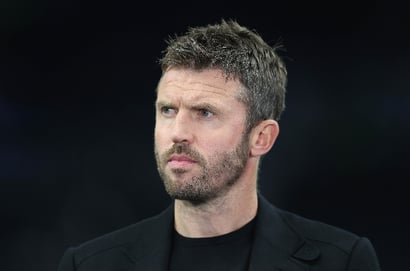
Michael Carrick has made small but impactful changes at Man United since taking over as interim head coach at Old Trafford.
Just seven weeks ago, United were knocked out of the FA Cup after a 2-1 home defeat to Brighton. That loss capped a four-match winless run, including dropped points to Premier League strugglers Burnley, Wolves and Leeds.
A lack of rhythm and inconsistent performances led to Ruben Amorim’s dismissal from the Old Trafford hot seat in January.
However, Carrick has galvanised the Manchester outfit and hoisted them back into the Premier League’s top four debate.
The former Middlesbrough boss and Man United midfielder has not made any huge overhauls to the system or players.
Instead, small alterations to get the best out of players available have helped United become the most in-form Premier League team, with 16 points from the last 18 available.
Michael Carrick Has Restored Defensive Balance at Man United
One of Michael Carrick’s biggest key changes to the Man United team has been structural.
Under Ruben Amorim, United largely persisted with a 3-4-2-1 system. The setup offered attacking width, but often left the midfield stretched and the defensive line exposed during transitions.
The spacing between lines became a recurring issue, particularly against stronger Premier League opposition.
United’s defensive flaws were exposed clearly in the 3-0 loss at Man City in September. The Red Devils weren’t outplayed, with 1.37-1.49 XG and 55% possession, but they were undone by three clinical City attacks through the centre of the pitch.
Carrick has simplified things by reverting to a back four and implementing a more structured 4-2-3-1 formation.
Selecting a back four with the rejuvenated Kobbie Mainoo and Casimero has brought greater balance. The distances between defence and midfield are tighter, the full-backs are less isolated, and United look far more secure when possession turns over.
The result was a complete contrast in solidity and cutting edge when United and City met again in January 2026, Carrick’s first game in charge.
The Red Devils produced a statement performance with far less possession (32%). United allowed City to dominate the ball, limited decent goalscoring opportunities in the central areas and broke with intent, leading to two excellent counter-attack goals from Bryan Mbeumo and Patrick Dorgu.
The win could have been passed off as a psychological victory due to the new manager bounce. However, United beat Arsenal 3-2 away in their following game in a similar fashion, allowing the Gunners to have 56% of the ball.
In six games under Carrick, Man United have conceded five goals and kept three clean sheets. Ultimately, the numbers highlight how the interim head coach has made the Red Devils harder to play through, providing a strong foundation for a top-four challenge.
Better Game Management in the Premier League
Before Michael Carrick’s appointment, Man United struggled to hold leads. Under Amorim, the Red Devils led 20 times and dropped points on seven occasions.
United’s inability to hold leads were highlighted in two chaotic matches late in Amorim’s tenure. The 4-4 draw at home with Bournemouth, where the Red Devils led three times, and the 1-1 stalemate against Wolves at Old Trafford, showed the lack of confidence and defensive frailties with Amorim in charge.
Since January 13, Carrick’s United have a league high of 2.67 points per game and they have shown more resilience in closing out matches.
In particular, substitutions have been decisive. Clear roles from the bench have allowed United to either protect narrow leads or find late winners.
For instance, key goals from Benjamin Sesko in tight fixtures against West Ham and Everton away have led to four points gained rather than points dropped.
This is where the contrast with Ruben Amorim is most noticeable. Under Amorim, tactical identity sometimes overshadowed pragmatism.
Under Michael Carrick, Man United are more situational. They adjust mid-game, manage and adapt to challenges and focus on team structure rather than chasing additional goals unnecessarily.
For a side chasing Champions League qualification, that kind of game-state awareness can be decisive across a Premier League run-in. And with no European or domestic cup football to pursue, Man United are well-placed under Michael Carrick to cement their top four place.
Upcoming Events
28 March 2026
- LEC 2026 Spring -
- Esports
01 April 2026
04 April 2026
Load More
Today's Acca Tips
-
Soccer tips
-
Tennis tips


